
Desk story / Poker
Building a Poker Bankroll From a Small Starting Balance
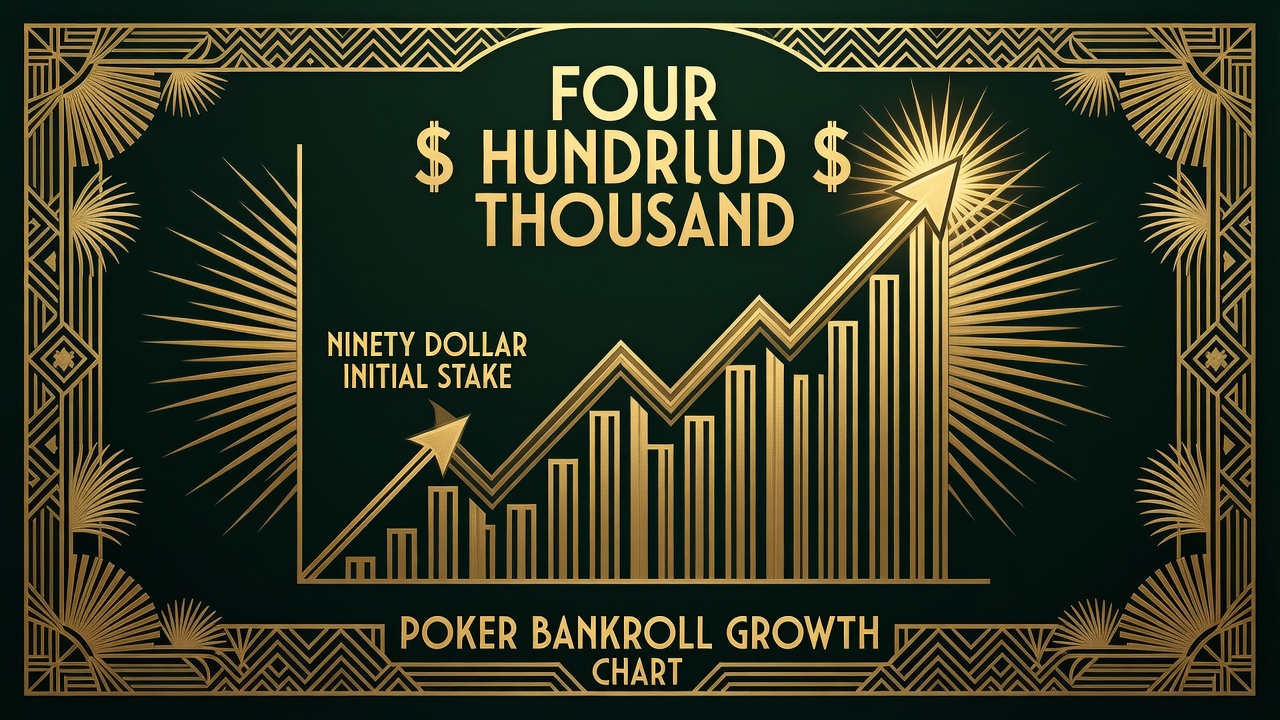
Sarah sat at the ten-dollar table with ninety dollars. Three years later, she had four hundred thousand. Here's how she built it.
- Filed
- Byline
- Nina Frost
- Length
- 850 words, about 4 minutes
- Copy ID
- SM365-78C526F7
Sarah was thirty-one when she moved to Las Vegas. She had a job managing a bookstore. She made forty thousand a year. She had a little gambling habit that worried her friends and was starting to worry her too.
One morning she calculated the total damage. Twelve thousand dollars over four years, mostly on slots and video poker. She sat in her apartment and thought about what that money could have been: a trip, a car payment, a savings account that meant something.
That's when something shifted. She decided that if she was going to lose money on gambling anyway, she'd at least lose it to a game where skill mattered. So she learned poker.
Three years later, Sarah had a bankroll of four hundred thousand dollars. She'd quit the bookstore. She was a professional player.
What's interesting isn't the win. It's how it happened.
The Foundation
Sarah started with ninety dollars. She played two-four no-limit poker at the Wynn. Two dollars and four dollars blinds. Tiny stakes. Stakes where a hand cost at most forty dollars.
She lost the ninety immediately. She was bad. She didn't understand position, pot odds, betting patterns. She was guessing.
She went home and read. "The Theory of Poker" by David Sklansky. "Kill Everyone" by Lee Nelson. She watched training videos. She played home games with friends for no money, just to get reps.
Three months later, she brought two hundred dollars back to the Wynn. She played the same stakes. Same game. Same time of day. She lost eighty and quit.
But this time something was different. She noticed patterns. She saw which players were tight, which were loose. She saw that certain positions paid more than others. She was learning the game rather than just playing it.
The Growth
Over the next six months, Sarah's graph looked like this: lose for a month, study, win for a month, move up slightly in stakes. Her bankroll swung between one hundred and five hundred dollars. But the trend was up.
The key decision came at eight hundred dollars. She had the bankroll to move to five-ten (five dollar and ten dollar blinds). Most players move up too early and lose their bankroll in a week. Sarah waited until she had four months of winning at two-four.
At five-ten, the game was meaner. Better players. Faster pace. But the patterns were the same, just bigger. She lost money for two months. Her bankroll dropped to four hundred. She wanted to drop back down.
Instead, she moved to a private game. Lower stakes, slower game, friendlier players. Margin to relearn at this level without bleeding money. Six weeks of winning. Then back to the casino at five-ten. This time she won.
The Compounding
Once Sarah had a bankroll above three thousand, something changed. She could play longer sessions without fear. Fear is the enemy of good play. When you're scared about losing rent money, you play tight. You fold good hands. You miss value. When your bankroll can absorb a bad run, you play right.
At five thousand, she could move to ten-twenty. Better-quality games. Better-paying games. More of her edge converted to money.
At twenty thousand, she quit her job. The income from poker was higher than bookstore management and growing every month. The probability of a negative year was low.
At a hundred thousand, she could play the biggest cash games in Vegas. Not whales. Not celebrities. But solid professional games against other solid professionals where an edge of two to three big blinds per hour was real money: six hundred to nine hundred dollars an hour.
At four hundred thousand, she was playing game-selection carefully. Only games where she had an edge. Only stakes where a bad run couldn't ruin her. Only players she'd studied or been recommended by trusted sources.
What Mattered
Skill, yes. But also patience. Bankroll management. Knowing when to move up and when to move sideways or down. Never confusing a lucky run with an edge. Never believing she was invincible.
Sarah kept meticulous records. She knew her win rate at each stake. She knew which opponents made her money. She knew her hourly rate and whether it was enough.
She also knew when not to play. A bad mental day, a run of bad luck, a game that was too tight, a table full of professionals she didn't have an advantage against. Pass.
The Real Story
Building a poker bankroll is possible. Sarah did it. But it requires three things: skill, which takes time to develop; bankroll discipline, which means moving up slowly and accepting small-stakes games for months or years; and the ability to handle variance without panic.
Sarah's starting point was tiny. Her goal was modest. Her timeline was patient. She treated poker as a learnable skill, not a game of luck. That orientation changed everything.
She's still playing. Still winning. Her bankroll has grown to over a million. Not because she's special. Because she understood what skill in poker actually means: playing decisions right, not results right. Results will come if the decisions are sound.