
Desk story / Guides
How to Check If an Online Casino Uses Secure Connections
Three million hands of online poker teaches you not to trust anything you do not verify. A secure connection is the first thing to verify.
- Filed
- Byline
- Nina Frost
- Length
- 595 words, about 3 minutes
- Copy ID
- SM365-D085C3FD
Listen. You do not need me to tell you how to be safe. You need to verify. That is the difference between trust and stupidity.
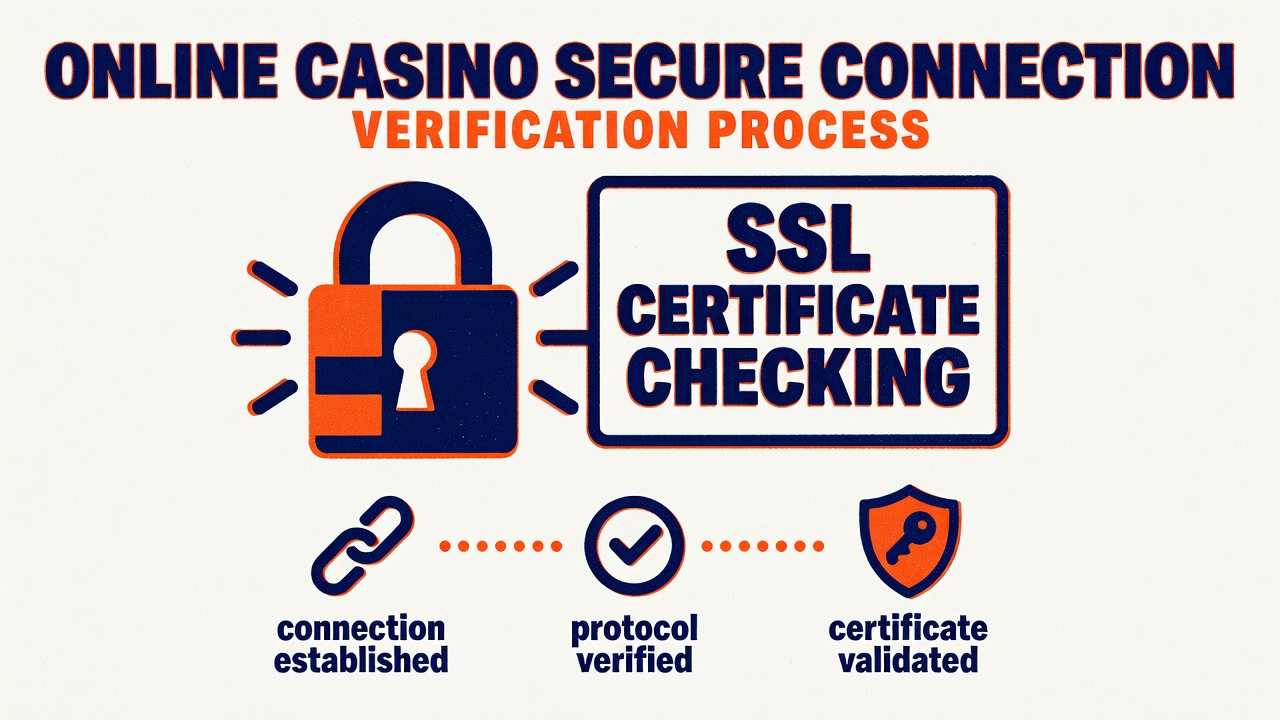
First: HTTPS. When you go to a casino website, look at the address bar. If it starts with HTTP, turn around. Go somewhere else. HTTP means the connection is not encrypted. Your password is traveling through the internet unencrypted. Anyone on the network can see it.
HTTPS means encrypted. The S is security. Your password is scrambled. Click the padlock icon next to the address. It should show a certificate. That certificate is the casino's proof that they have registered with a certificate authority. The major authorities are Verisign, Comodo, DigiCert. If the certificate is not from one of those, that is a warning sign.
Second: Verify the certificate name. The certificate should have the casino's name on it. If the certificate says "Gambling Site XYZ" but the website is "CasinoABC," something is wrong. The certificate is for the wrong entity. This is a classic phishing sign.
Third: Check the certificate expiration. The certificate should be current. If the certificate expired last year, the casino is either incompetent (bad sign) or running a scam (worse sign). A legitimate casino keeps its certificate current.
Fourth: Test the connection yourself. There are online tools that test SSL strength. You enter the casino domain and the tool tests whether the SSL is using modern encryption standards (TLS 1.2 or higher) or old standards (TLS 1.0, which is vulnerable). You want modern. If the casino is using old standards, the security is weaker.
What This Prevents
A secure connection prevents man-in-the-middle attacks. Someone on the coffee shop wifi cannot steal your password. Someone at your ISP cannot steal your password. The encryption is local to your computer and the casino's server.
This doesn't prevent the casino from scamming you. It prevents a third party from stealing your credentials while you are playing. The two problems are different.
A secure connection also prevents your bank from seeing what casino you are on. Your bank knows you are going to a secured website, but they don't know the specific casino because the details are encrypted. This is privacy.
What This Does Not Prevent
SSL does not prevent a rigged game. SSL does not prevent the casino from refusing to pay you. SSL does not prevent the casino from changing the rules after you deposit. SSL is just a lock on the door. It doesn't make the room inside safe.
SSL also doesn't prevent someone from spoofing a website. A fake casino can also use HTTPS. The certificate will show it is secure, but it is actually a phishing site designed to steal your login credentials. This is why you never click links in emails. You always type the casino URL directly.
The Simple Check
HTTPS. Padlock. Certificate. Check those three things and you have the basics covered. A casino without those is not worth your money. A casino with those is at least not making your basic information vulnerable while you play.
I have played three million hands of poker. I have used fifty different online rooms. The ones that made it ten years in business all had secure connections. The ones that scammed people and disappeared always had some basic security issue. It was not always HTTPS. Sometimes it was an expired certificate. Sometimes it was a certificate for the wrong entity. The tells were there for anyone willing to look.
Do not skip this step. Make it a habit. No HTTPS? Go somewhere else.