
Desk story / Regulation
Curacao Licensing: How the Jurisdiction Typically Works
Curacao, a Dutch Caribbean island, licenses thousands of online casinos. The island has a population of 150,000 but hosts regulatory authority for casinos serving millions of players worldwide.
- Filed
- Byline
- Cole Hastings
- Beat
- Regulation
- Length
- 510 words, about 3 minutes
- Copy ID
- SM365-FDBDE967
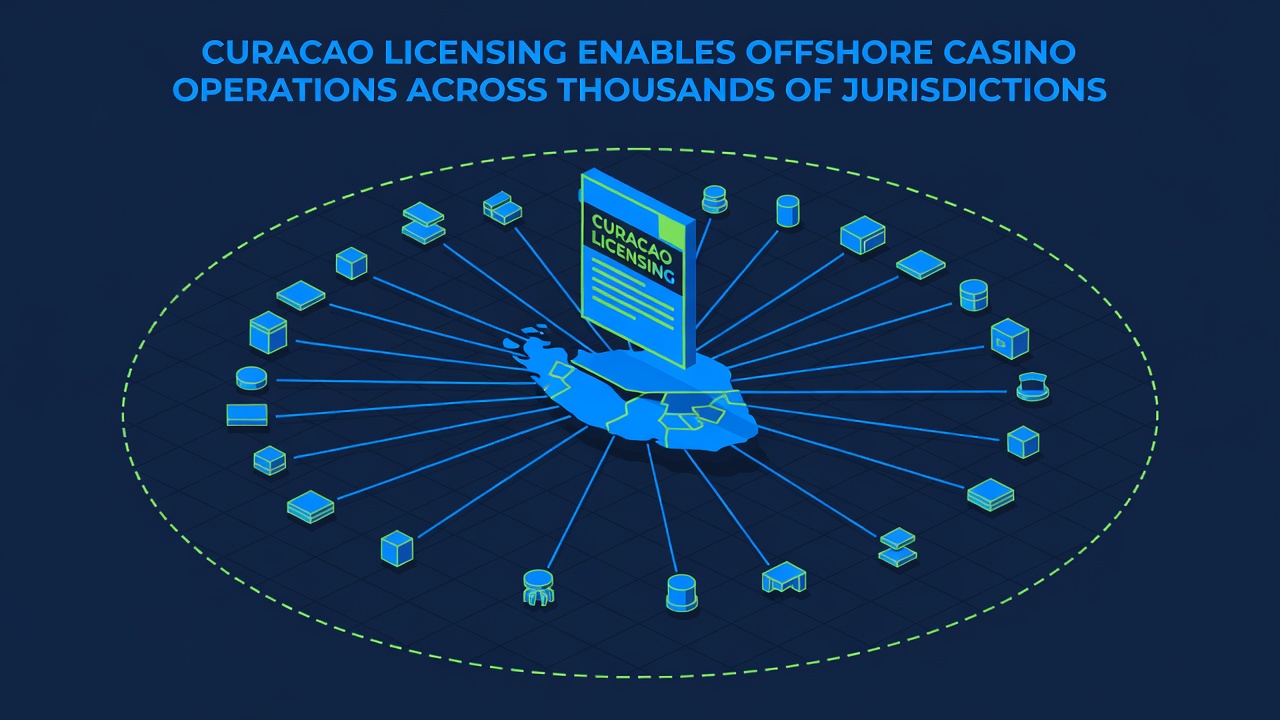
Curacao's eGaming license is one of the most recognizable in the online gambling industry. A casino displaying a Curacao license number suggests they have met Curacao's regulatory requirements. In practice, the requirements are significantly less stringent than European regulators impose.
The Curacao licensing scheme was established in 1996. The island needed economic activity. Online gambling was emerging as a new frontier. Licensing operators was a natural revenue source. An operator pays a licensing fee. The operator is authorized to operate.
Curacao's advantage is speed and cost. A casino can be licensed in weeks, not months. The licensing fees are a few thousand dollars, not hundreds of thousands. This makes Curacao attractive to startups and operators in unregulated markets. The barrier to entry is low.
The regulatory oversight is limited. Curacao requires operators to maintain certain financial reserves. Operators must have responsible gambling tools. But enforcement is sparse. An operator that violates the rules faces penalties that are often minimal relative to the revenue gained from violation.
Payment processors have become selective about which Curacao operators they work with. A major processor will require higher standards from Curacao operators than Curacao itself requires. This creates an effective second layer of regulation.
For players, a Curacao license is better than no license, but worse than a UKGC or Malta license. Disputes with Curacao operators are harder to resolve. The commission has less authority and fewer resources. Recourse is limited. Player protection is weaker.
Contemporary Evolution
Curacao is the path of least resistance for operators who cannot or will not meet European standards. It remains the choice for many operators targeting markets where regulation is uncertain or non-existent.
The jurisdiction remains popular because many jurisdictions (United States, for instance) do not explicitly permit online gambling. A Curacao-licensed operator can target US players and claim compliance with Curacao regulations, avoiding the question of whether they are compliant with US law. The ambiguity is useful for operators.
Recent years have seen pressure on Curacao to increase standards. The jurisdiction has responded by implementing new license types with stricter requirements. But the light-touch original licensing remains available for operators willing to accept it.
Additional Perspective
The topic of curacao licensing: how the jurisdiction typically works remains relevant in the modern gambling landscape. Understanding these nuances helps both players and operators navigate the industry more effectively. The strategies and insights discussed above represent the accumulated knowledge of years of observation and analysis in the field. Players who take time to understand these mechanisms will make better decisions about their gambling activities and will be less susceptible to manipulation or poor decision-making under pressure.
The key takeaway is that knowledge is power. When you understand how systems work, you gain the ability to make informed choices. This applies whether you are a casual player looking to have fun responsibly or a serious player trying to gain an edge in competitive games. The information provided here is meant to educate and inform, allowing you to approach gambling with your eyes open to both the opportunities and the risks involved.