
Desk story / Crypto Gambling
E-Wallets Explained: A Beginner's Guide for Casino Players
So I'm sitting at the bar, and this guy tells me about his e-wallet. He says he used to carry cash, but now everything goes through his phone. No fraud, no theft, everything tracked. I ask him to explain what an e-wallet is and he spends twenty minutes telling the story.
- Filed
- Byline
- Cole Hastings
- Length
- 536 words, about 3 minutes
- Copy ID
- SM365-8215D618
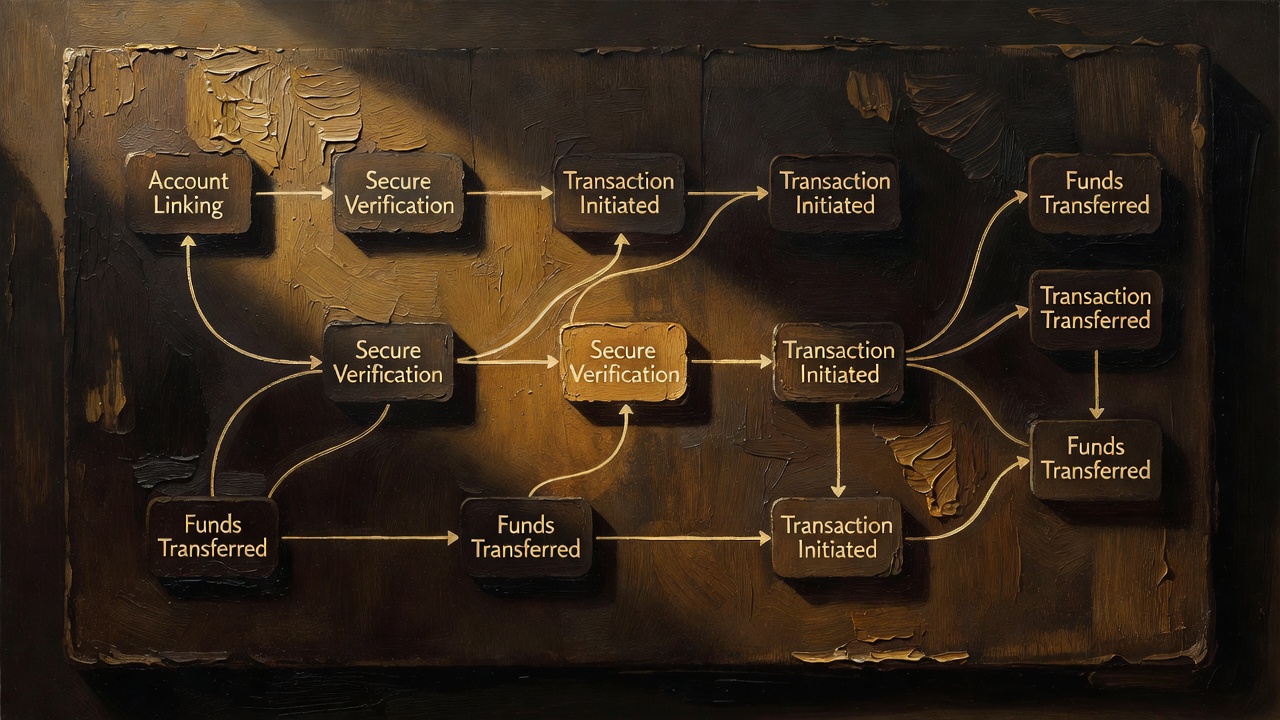
An e-wallet is a digital container for money. You load money into the e-wallet from your bank account. The e-wallet then holds the money and allows you to spend it without touching your bank account directly. It is a middleman.
Examples include PayPal, Skrill, Neteller, Apple Pay, Google Pay. The mechanics vary, but the principle is the same: you maintain a balance in a third-party service and draw from it as needed. The service holds your money in trust.
For casinos, e-wallets are superior to credit cards because the risk profile is different. A player deposits funds into an e-wallet using their bank account. The e-wallet then transmits those funds to the casino. If a dispute arises, the casino has already received the funds. The dispute is between the player and the e-wallet, not the casino and the bank. The casino's exposure is reduced.
For players, e-wallets offer privacy. A casino does not see your bank account. It sees only a transaction from the e-wallet. This is useful for players who want to hide gambling transactions from their spouse or employer or themselves. The obfuscation is intentional.
E-wallets also offer speed. A deposit via e-wallet settles instantly. A bank transfer takes days. The speed advantage makes e-wallets attractive for players who want to gamble immediately without waiting.
The downside of e-wallets is an additional intermediary. If a player wants to dispute a loss with the casino, they are also potentially disputing with the e-wallet provider. This complicates resolution. The chain of responsibility becomes unclear.
Provider Policies
An e-wallet is a buffer. It buffers your bank from gambling transactions and it buffers the casino from bank chargebacks. E-wallet providers have different policies on gambling. Some encourage it. Others discourage it. PayPal, for instance, has terms that prohibit using PayPal accounts for gambling in some jurisdictions. The terms are often violated, but the violation exists.
Skrill and Neteller, owned by Paysafe, are explicitly gambling-focused. They have built their entire business around serving the gambling industry. These providers have stronger protections against fraud and dispute resolution specific to gambling contexts.
For a player, using an e-wallet that is gambling-friendly (Skrill, Neteller) is safer than using a general e-wallet (PayPal) because the provider understands gambling and can help with disputes. The expertise matters when conflicts arise.
Additional Perspective
The topic of e-wallets explained: a beginner's guide for casino players remains relevant in the modern gambling landscape. Understanding these nuances helps both players and operators navigate the industry more effectively. The strategies and insights discussed above represent the accumulated knowledge of years of observation and analysis in the field. Players who take time to understand these mechanisms will make better decisions about their gambling activities and will be less susceptible to manipulation or poor decision-making under pressure.
The key takeaway is that knowledge is power. When you understand how systems work, you gain the ability to make informed choices. This applies whether you are a casual player looking to have fun responsibly or a serious player trying to gain an edge in competitive games. The information provided here is meant to educate and inform, allowing you to approach gambling with your eyes open to both the opportunities and the risks involved.