
Desk story / Guides
Mobile-Optimized Slots: What It Really Means
Mobile-optimized does not mean different mathematics. It means the same mathematical structure has been adapted to a smaller screen and touch input. Understanding the distinction prevents misunderstanding.
- Filed
- Byline
- Nina Frost
- Length
- 724 words, about 4 minutes
- Copy ID
- SM365-23A5D704
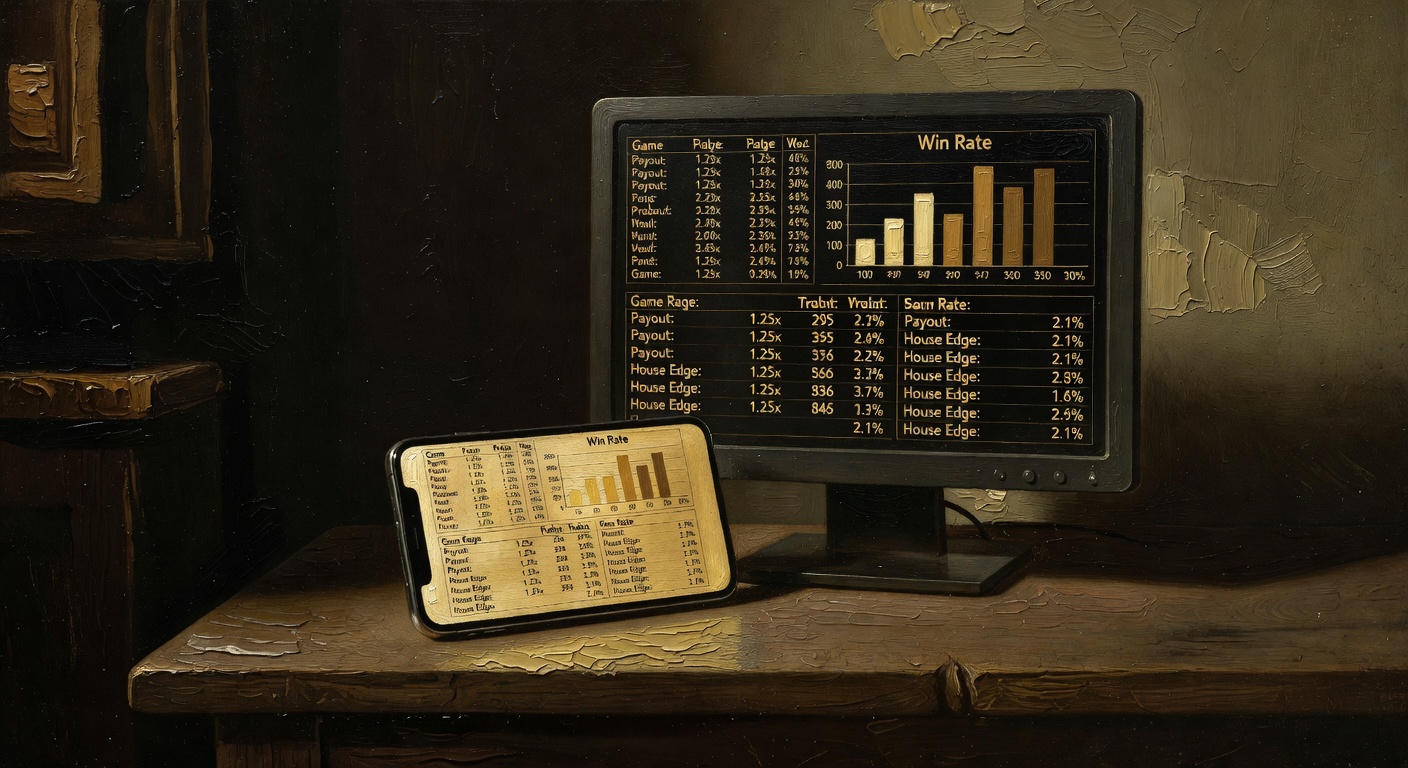
A mobile-optimized slot uses the same RNG (random number generator) as the desktop version. The mathematics are identical. The return-to-player percentage is the same. The volatility is the same. What changes is the interface.
The button layout adapts to a smaller screen. The animations scale down. The paylines are displayed differently but function identically. A mobile slot spinning at 60 frames per second uses the same pseudo-random sequence as a desktop slot spinning at 100 frames per second.
There is a tendency to assume that mobile simplification involves mathematical simplification. It does not. The processor handling the RNG in a mobile device performs the same calculation as a server handling the RNG for desktop play. The algorithm is identical.
Consider the specific mechanics. A desktop slot might display a 5x4 grid with 50 paylines. A mobile slot displays the same 5x4 grid but reflows to fit a vertical screen. The grid occupies 80 percent of the vertical space. The spin button is positioned below. The paylines are still 50. The probability of any specific outcome is identical to the desktop version.
Optimization, therefore, means two things: first, ensuring the game runs smoothly on devices with lower processing power (which most smartphones possess relative to gaming laptops); second, ensuring the user interface is navigable with touch input rather than mouse and keyboard.
The Constraint and the Design
Mobile devices have specific constraints that desktop devices do not. Battery life is one. Bandwidth is another. Screen size is a third. The game designer must account for all three.
Battery optimization sometimes involves reducing animation frame rate or disabling certain visual effects. If a desktop slot uses particle effects (little diamonds falling from a big win), the mobile version might simplify this to a static graphic with a sound effect. The mathematics are unchanged. The presentation is altered.
Optimization means adaptation, not modification. The underlying mechanics persist. The experience changes.
Bandwidth optimization might involve lower-quality images or reduced update frequency. A mobile slot might refresh the game state once per second. A desktop slot might refresh continuously. The practical difference: the mobile player might perceive a slight delay between tapping spin and the reels beginning to move. The actual time to determination is identical. The perception differs.
Screens vary. A 6-inch phone displays the game differently than a 12-inch tablet. A game optimized for phones might not fill a tablet screen. A game optimized for tablets might be cumbersome on a phone. Some operators create two versions. Others create a responsive design that adapts to any screen size. The mathematical engine remains unchanged across all versions.
Touch input requires different button design. Desktop play might use hover states (the button changes appearance when you move the mouse over it). Mobile touch has no hover state. The button must be large enough to hit accurately with a thumb. Typically, touch buttons are 48x48 pixels or larger. This influences overall layout but not the underlying game logic.
The Perception of Difference
Players sometimes believe that mobile slots are looser than desktop slots. This belief is incorrect. The mathematics are identical. The perception likely stems from different play patterns. On mobile, a player might take longer spins, fewer total spins per session, play at different times. These behavioral differences can create the illusion of different payback percentages.
Alternatively, players might attribute variance to platform differences. A desktop player hits a big win. An identical mobile player experiences a long losing streak. The mobile player assumes the game is tighter. Mathematics indicates randomness. The sample size is too small.
Speed of play might differ. A mobile player, constrained by smaller button sizes and slower refresh rates, might take 30 seconds per spin. A desktop player might take 15 seconds. Over a session, the mobile player makes fewer total spins. The probabilities scale with number of spins. Fewer spins, more variance in outcomes.
Regulatory frameworks require that mobile slots maintain identical mathematics to their desktop counterparts within the same jurisdiction. The UKGC requires this. The MGA requires this. State gaming boards require this. Therefore, in regulated markets, mathematical differences do not exist.
The takeaway: mobile-optimized means technically optimized for small screens. It does not mean mathematically optimized or relaxed. The game you play on your phone carries the same house edge as the game you play on a desktop. Treat them identically.