
Desk story / Mobile
Mobile Sports Betting vs Desktop: Pros and Cons
Claim: Mobile sports betting has no downsides. Reality: There are actual structural disadvantages. Here they are.
- Filed
- Byline
- Bri Sutton
- Length
- 558 words, about 3 minutes
- Copy ID
- SM365-E364D083
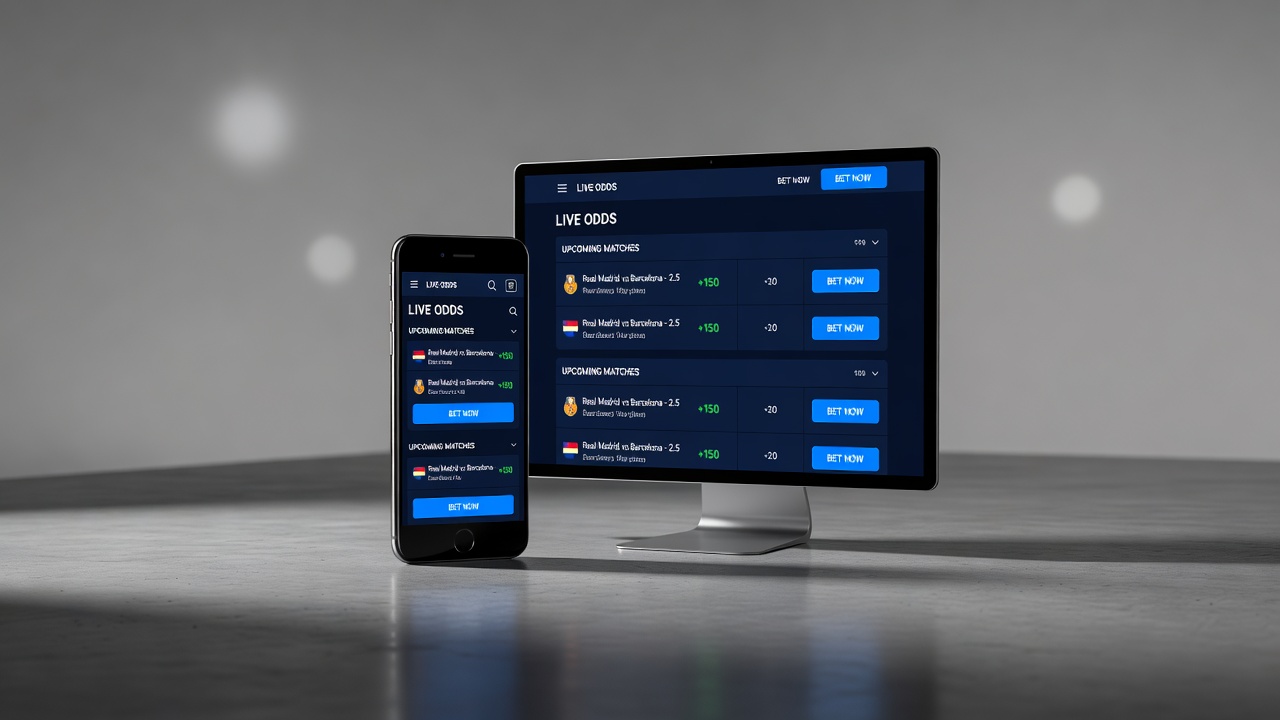
Claim: Mobile and desktop have the same experience.
Reality: They do not. Desktop is architecturally superior for serious betting.¹
Claim: Mobile is faster.
Reality: Mobile apps are faster than mobile browsers, but slower than desktop browsers with proper internet. A desktop user on wifi has a technical advantage in terms of refresh rate and transmission time for bets. This matters if you care about closing line value.
Claim: The odds are the same everywhere.
Reality: Sometimes lines move on desktop before they move on mobile apps. This is because the data pipe to the apps is slightly delayed. You might see a line on mobile that already closed on desktop. By the time your bet is processed, you lose the edge you thought you had.²
Claim: Mobile betting is more convenient.
Reality: Correct. You can bet from anywhere. The convenience cost is measured in basis points. A professional bettor would not use mobile for large wagers. A casual bettor should expect the convenience to carry an implicit tax of worse odds and slower feedback.
The Structural Issues
Mobile devices are fundamentally different from computers. They have slower processors and less reliable internet. A desktop with a wired ethernet connection has stable, fast connectivity. A mobile phone on 4G has variable latency. When betting is happening in real-time, stability matters.
Compression also matters. Mobile apps compress data to load faster on slower connections. This compression means less information. You might get odds updates only once per second on mobile, while desktop gets them continuously. In fast-moving markets (in-play betting), this matters.
The power dynamic also matters. A sportsbook wants casual bettors on mobile (because they make more mistakes and have slower reaction times). A sportsbook tolerates sharp bettors on desktop (because they can't do much about it, but the volume from casual bettors offsets the losses to sharps). There is no conspiracy here, just incentive alignment.
When Mobile Is Fine
For placing pre-game bets with moving lines, mobile is fine. The line movement is slower and you have time. For in-play betting on fast-moving markets, desktop is better. For checking your balance or withdrawing money, mobile is fine (in fact, mobile is better because you don't have to boot up a computer).
For casuals just having fun, mobile is actually great. You don't care about optimal timing or closing line value. You just want to place a bet and see what happens. Mobile makes this easy.
For sharps trying to beat the line, mobile is a handicap. You would use desktop for serious bets and mobile for entertainment or for situations where you can't access desktop.
Footnote 1: Assuming reasonable internet. WiFi Desktop > Wired Desktop > WiFi Mobile App > Mobile Data > Mobile Browser. This is rough. Individual experience varies.
Footnote 2: The sportsbooks actually do this on purpose sometimes. They let mobile users see stale lines to capture additional handle. This is not explicitly disclosed. It is just how the systems are engineered.
The bottom line is this: if you are serious about sports betting, use desktop when possible. If you are just having fun, mobile is convenient and fine. Know which category you are in. Most people are the latter and they should stop pretending the technical disadvantage doesn't exist. It does. They just don't care because they were not expecting to make money anyway.