
Desk story / Slots
Charles Fey and the Invention of the Modern Slot Machine
In 1895, a mechanic in San Francisco invented a machine that would make him immortal. He did not patent it. He did not become rich. He became a ghost.
- Filed
- Byline
- Nina Frost
- Length
- 579 words, about 3 minutes
- Copy ID
- SM365-B43D3FFA
Charles Fey was a Bavarian immigrant working as a mechanic in San Francisco in the 1880s. He was not a gambler. He was not a businessman. He was a mechanic who understood machines.
The mechanical automata of his era fascinated him. Machines that operated on coins. Machines that dispensed prizes. Machines that created simple probability games.
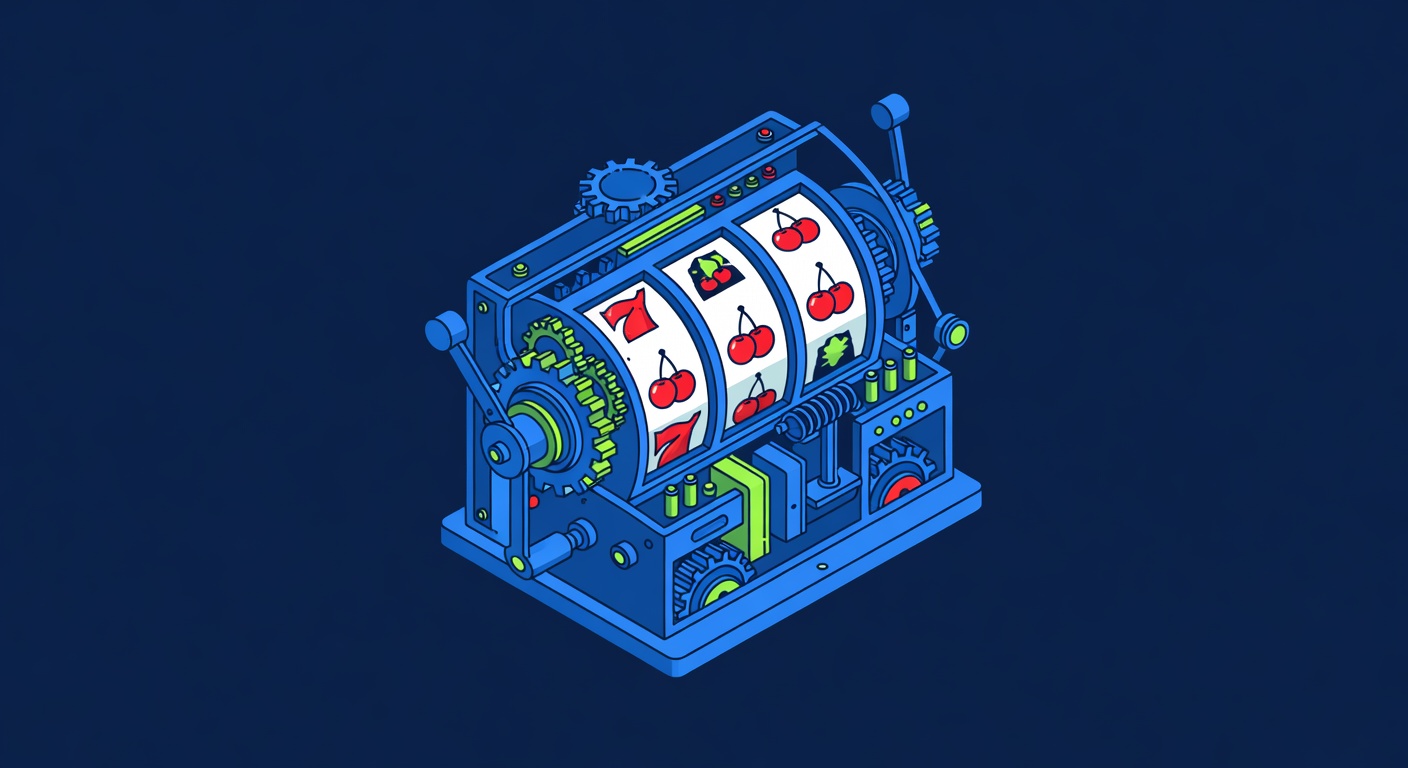
In 1894 or 1895 (the exact date is disputed by historians who were not there), Fey built a machine. It had three reels. Each reel had five symbols: horseshoes, diamonds, spades, hearts, and a liberty bell. A player inserted a coin and pulled a lever. The reels spun. If all three reels landed on liberty bells, the machine dispensed coins.
The liberty bell machine. This was the modern slot machine.
Why It Mattered
Before the Liberty Bell, gambling machines existed. They were called "trade stimulators." They dispensed small prizes to encourage customers to patronize a bar or cigar shop.
But the Liberty Bell was different. It was designed for direct payout of currency. A player could gamble a nickel and win coins. The machine made gambling accessible to ordinary people.
The Ghost of Charles Fey
This is where the story becomes Irish, in the sense that an obvious fact is somehow obscured.
Fey did not patent the Liberty Bell. Historians debate why. Some say he did not understand the value of a patent. Some say he believed gambling devices could not be patented. Some say he simply did not bother.
What happened instead was that his machines were copied. Manufacturers in Chicago and New York produced their own versions. Within a decade, thousands of machines existed and Fey had received nothing.
Fey continued working as a mechanic. He made small improvements to his machine. He made some money from the machines he personally built and placed. But he never became wealthy. He never controlled his invention.
When he died in 1944, he was not famous. The slot machine was worth millions. Fey had received thousands.
The Modern Irony
Charles Fey invented a machine that would generate trillions of dollars in revenue over the next century. The casinos that would be built around his invention would become the dominant form of entertainment and commerce in Nevada.
Fey was excluded from this entirely. He invented the machine and then watched other people profit from it.
This was before trademark law was clear. Before design patents existed. Before copyright protected industrial designs.
Fey's machines were public domain before the concept of "public domain" even existed as a legal term.
The Shadow Life
Later in life, Fey became something of a recluse. He had invented the most important gambling device in history. He had received no acknowledgment. The machines had been copied and altered beyond recognition.
He spent his later years making improvements to his original design, perfecting what nobody wanted him to perfect.
San Francisco eventually erected a monument to him. The Liberty Bell bar still stands, moved and preserved. The machines he built are in museums.
But Charles Fey never saw the casinos built on his invention. Never saw the technology advance beyond his mechanical reels. He lived in the wrong era for his creativity.
Fey represents a peculiar kind of invisibility. His invention is the most visible thing in gambling. His name is virtually unknown outside of academic gambling history. Almost nobody who has played a slot machine knows that Charles Fey built the first one, or knows anything about who he was.