
Desk story / Celebrities
Dennis Nikrasch: The Slot Machine Cheat Who Took Millions
Dennis Nikrasch understood casinos the way an architect understands buildings: as systems. He found the flaw in the system and exploited it for over a decade.
- Filed
- Byline
- Jerry Boyd
- Length
- 781 words, about 4 minutes
- Copy ID
- SM365-364BC690
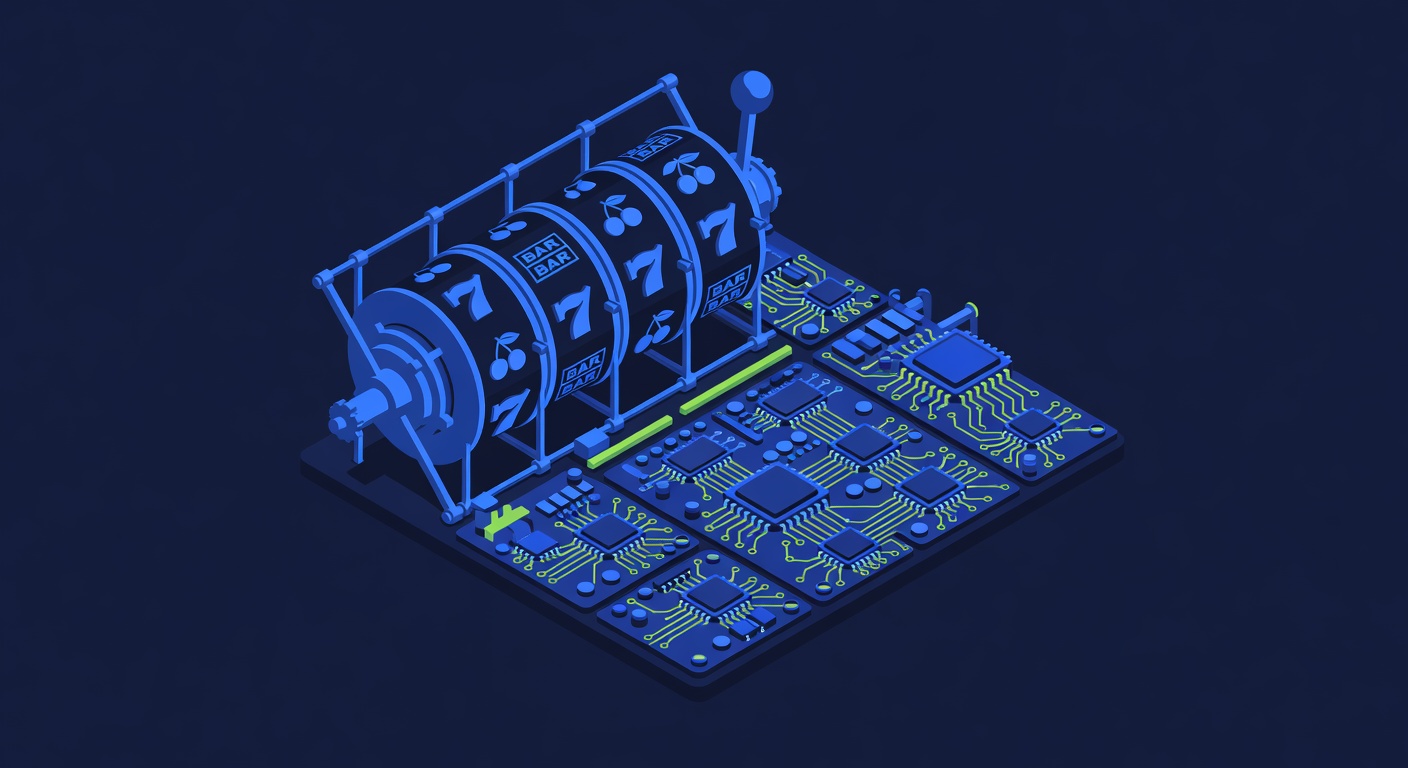
A slot machine is a box with microprocessors inside. The microprocessors run code. The code contains the random number generator (RNG) and the payout tables. Dennis Nikrasch was not a player. He was an engineer. He spent years learning how Igt and other manufacturers built their machines. He studied the architecture.
In 1995, he knew something most people did not: the prng in certain older IGT machines could be reset to a known state if you fed it the right sequence of coins. Once reset, the machine would produce a predictable sequence of numbers. If you knew the sequence, you could know, roughly, when the big hit was coming.
He did not walk into casinos and cheat. He was smarter than that. He built a duplicate IGT machine at home. He spent months mapping the code, finding the vulnerability, testing it. He was running an R&D operation disguised as a hobby.
Then, when he was ready, he went to work.
The Architecture of Vulnerability
Casinos had surveillance systems, but those systems were designed to catch playing cheats: people palming coins, using shaved coins, switching bill-acceptor guts. Surveillance was focused on the player interface. Nobody was looking at whether the machine itself was being manipulated.
Nikrasch would move through the casino with a team. He would identify IGT machines with the vulnerable firmware version. He would play them legitimately, noting the exact machine and bank location. Then, at off-peak hours, he would return with someone who could open the machine.
The opening was the dangerous part. You cannot just crack a machine open. They have tamper-detection mechanisms. But Nikrasch had worked that out. He had a device that could generate the right key sequence and open the machine without triggering alarms. He knew how to extract the ROM chip, the storage that contained the RNG seed.
With the ROM chip, his team could analyze the code and understand the vulnerabilities. They could calculate the exact sequence of button presses that would reset the machine to a known state. They could come back later, press the buttons in the right sequence, and know with high confidence that the next sequence of numbers would produce a big win.
The Scale of the Operation
This was not a five-hundred-dollar heist. Over a decade, starting in the 1990s, Nikrasch and his teams stole an estimated 5 million to 10 million dollars.
The reason it took so long to catch him was architectural. The casinos had no reason to suspect the machines themselves. The machines had security certificates from the manufacturer. The security seals were intact. The machines appeared to have been playing legitimately.
When big wins happened on certain machines, the casino's database would record it. They would note that a particular IGT machine in a particular bank had paid out unusually large jackpots. But the machines were supposed to be random. Clustering of wins on certain machines was not, by itself, evidence of cheating. It was just variance.
It took a former slot technician to notice the pattern. The technician was not looking for Nikrasch specifically. He was looking for machines with a history of unusual payouts, and he noticed that the same firmware versions on certain machines kept hitting hard.
When investigators looked closer, they found that the machines had been opened and the ROM chips reseeded. When they tested the machines in the lab, they discovered the vulnerability. When they interviewed Nikrasch, he did not deny it.
The Lesson in Architecture
The casinos had been protecting the player interface aggressively, but they had not protected the machine's internal architecture. The vulnerability existed because the manufacturer designed the RNG reset to work a certain way, and that way could be exploited if you understood the code.
The fix, once discovered, was straightforward: patch the firmware, use machines with patched firmware only, inspect machines for signs of opening, upgrade the tamper-detection seals.
For architectural reasons, this took years. You cannot upgrade every machine in every casino overnight. You have to phase in new machines. You have to make sure the new machines are compatible with the casino's backend systems. You have to train technicians.
Meanwhile, Nikrasch and other cheaters copied his methods. The vulnerability spread because the information spread. Other people reverse-engineered IGT machines and found similar weaknesses.
By 2000, the window was mostly closed. Modern machines have much more sophisticated security. The RNG reset vulnerability is not easily exploited. Modern casinos are tougher to cheat because the architecture has been hardened.
But for almost a decade, one engineer understood something about the building that nobody else did, and he took millions of dollars out of the system before the system understood what was happening.