
Desk story / Payments
How Responsible Gambling Tools Work Inside Slot Lobbies
Every slot machine lobby now includes buttons you do not want to click. Deposit limits. Time reminders. Self-exclusion. I have watched what happens when you do.
- Filed
- Byline
- Nina Frost
- Length
- 952 words, about 5 minutes
- Copy ID
- SM365-8BE3841A
The Mandates That Arrived Quietly
Somewhere between 2015 and 2020, without announcement or fanfare (or rather, with all the announcement and fanfare of regulatory compliance documents), every major online gaming operator implemented responsible gambling tools inside their slot machine lobbies. These tools are not optional. They are mandated by regulators in most jurisdictions.
They are also invisible to most players until the moment you realize you need them.
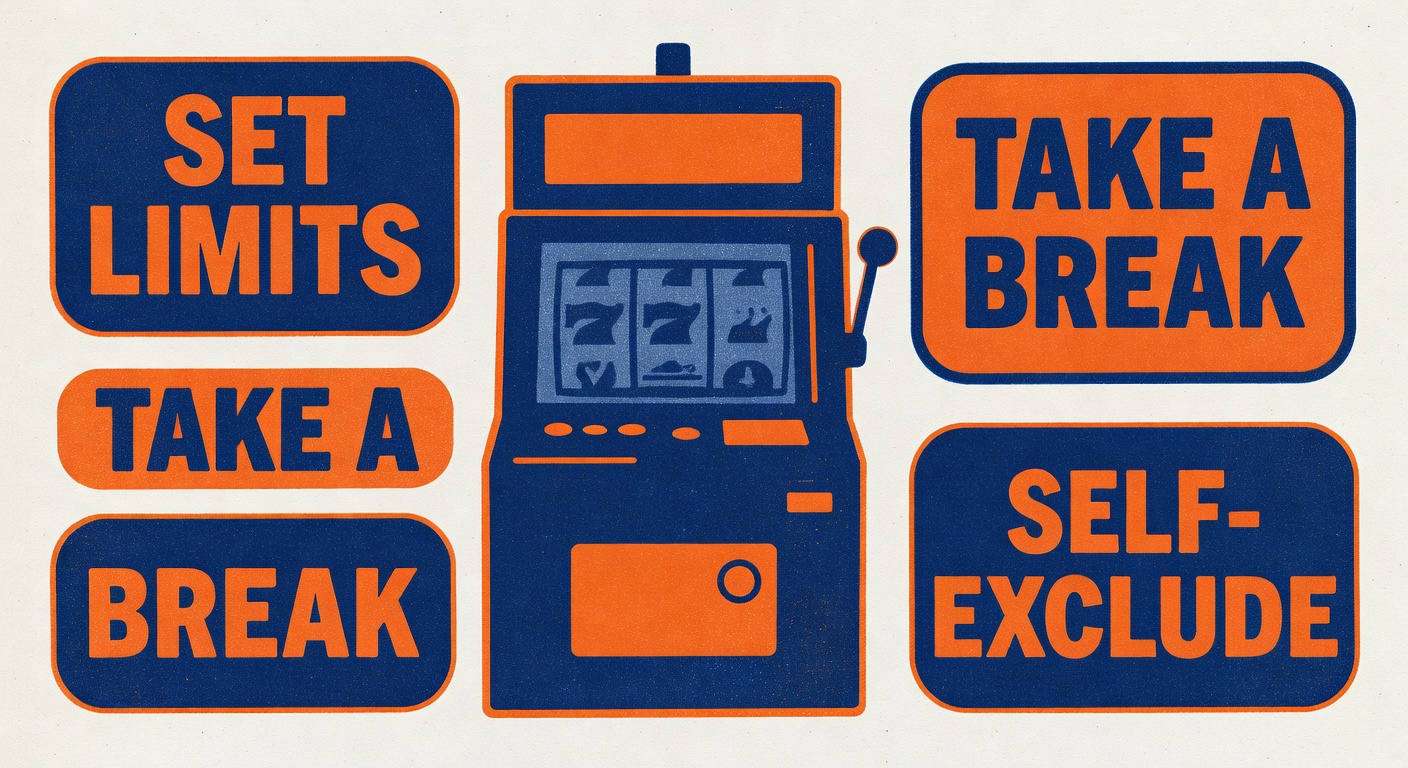
The Deposit Limit Tool
Clicking the limit button initiates a process: you specify a maximum amount you will deposit in a day, week, or month. Once set, the software will not permit you to deposit beyond that limit. You can increase the limit, but only after a waiting period (typically seven to fourteen days). You cannot decrease it immediately.
This is the mechanism: the barrier to escalation is friction. If you want to increase your deposit limit, you must wait and confirm the request twice. The waiting period exists because addiction research shows that decisions made in the heat of play are often regretted immediately afterward.
Does it work. The research is mixed. Players who intentionally set deposit limits and honor them report success. Players who set limits and then, in a moment of frustration after a loss, increase them immediately report that the tool did nothing to prevent them.
The waiting period is the actual intervention, not the limit itself. The limit is useless if you can bypass it instantly.
The Time Reminder Tool
You set a time threshold (usually one, two, or four hours) and the software alerts you when you have played for that duration. A pop-up appears: "You have been playing for two hours. Do you want to stop."
Then one of three things happens:
- You click "stop" and the session ends
- You click "continue" and you keep playing
- You ignore the pop-up and keep playing anyway
For the player who arrived at the table planning to play for one hour and has accidentally stayed for two, the reminder can jolt them back to intention. For the player in the grip of chasing losses, the reminder is merely an inconvenience that they dismiss.
Like the deposit limit, the tool works for people who already want to regulate themselves. It is nearly useless for people whose behavior has become automatic.
The Self-Exclusion Tool
This is the nuclear option. You select a period (one month, six months, one year) and the operator locks you out of your account. You cannot log in. You cannot deposit. You cannot play.
You cannot reverse the exclusion during the exclusion period. When the time expires, you can log back in. Or you can request permanent self-exclusion, which is irrevocable (though the specific requirements vary by jurisdiction).
Self-exclusion works because it removes the choice. Once you have self-excluded, you cannot access your account through willpower or intent. You would have to contact customer service, request removal from self-exclusion (which typically requires written confirmation and a waiting period), and only then access the account again.
The friction is high enough that many people do not bother.
The Psychological Theater
Here is what bothers me about these tools from the inside: they exist as much for the operator's liability as for the player's protection. When a player has suffered catastrophic losses, the operator can point to these tools: "Look. We provided deposit limits. We provided time reminders. We provided self-exclusion. The player had every opportunity to use them."
This is true and also misleading. A person in the grip of addiction does not have the executive function to use these tools effectively. The tools are designed for recreational players who occasionally exceed their intentions. They are not designed for people whose neurochemistry has been altered by repeated reward-seeking behavior.
Implementing the tools is the right move legally and morally. But implementing them and then marketing the casino as "safe" because the tools exist is propaganda.
The Underlying Tension
The slot lobby is designed to keep you playing. Every element of the interface: the sounds, the visuals, the pacing, the near-miss feedback, the easy ability to stake another spin within three seconds of the last. Every element pushes toward continuation.
Then, tucked away in the settings, you find the button to stop playing.
This is the absurdity of responsible gambling: we design the environment to maximize time on device and money wagered, then we provide a button you can click to escape the environment we designed. The button is real. The escape is real. But the incentive structure remains unchanged.
It is like a restaurant serving large portions and then putting a scale in the bathroom.
What Actually Works
The tools that correlate with sustained behavior change are:
- Deposit limits set below what the player wants to spend (not at their wishful limit, but lower)
- Self-exclusion that extends across multiple operators (most jurisdictions have networks where one self-exclusion applies to all licensed operators)
- External accountability (telling someone else what you have done, making the commitment public)
- Substitute behaviors (a therapist helping you replace the gambling hour with another activity)
These require external structure. The tools inside the lobby are internal structure. Internal structure fails when the thing you are trying to control is internal craving.
The Honest Path
The tools exist. Use them, especially the deposit limit. Set it conservatively. Honor the waiting period when you want to increase it. Treat the waiting period as intentional friction, not as an obstacle.
But understand what they are: damage control, not cure. Necessary, not sufficient.
The responsible gambling tools work for people who want to be responsible. For people who do not, the tools are merely more friction in a system designed to maximize engagement.