
Desk story / Bonuses
Sound Design in Slots: How Audio Shapes the Player Experience
Slot machines make noise. Deliberate noise. Every beep and jingle was designed by people who study how sound affects the brain. I've spent enough time listening to wonder who these people are.
- Filed
- Byline
- Nina Frost
- Length
- 873 words, about 4 minutes
- Copy ID
- SM365-E2A6541F
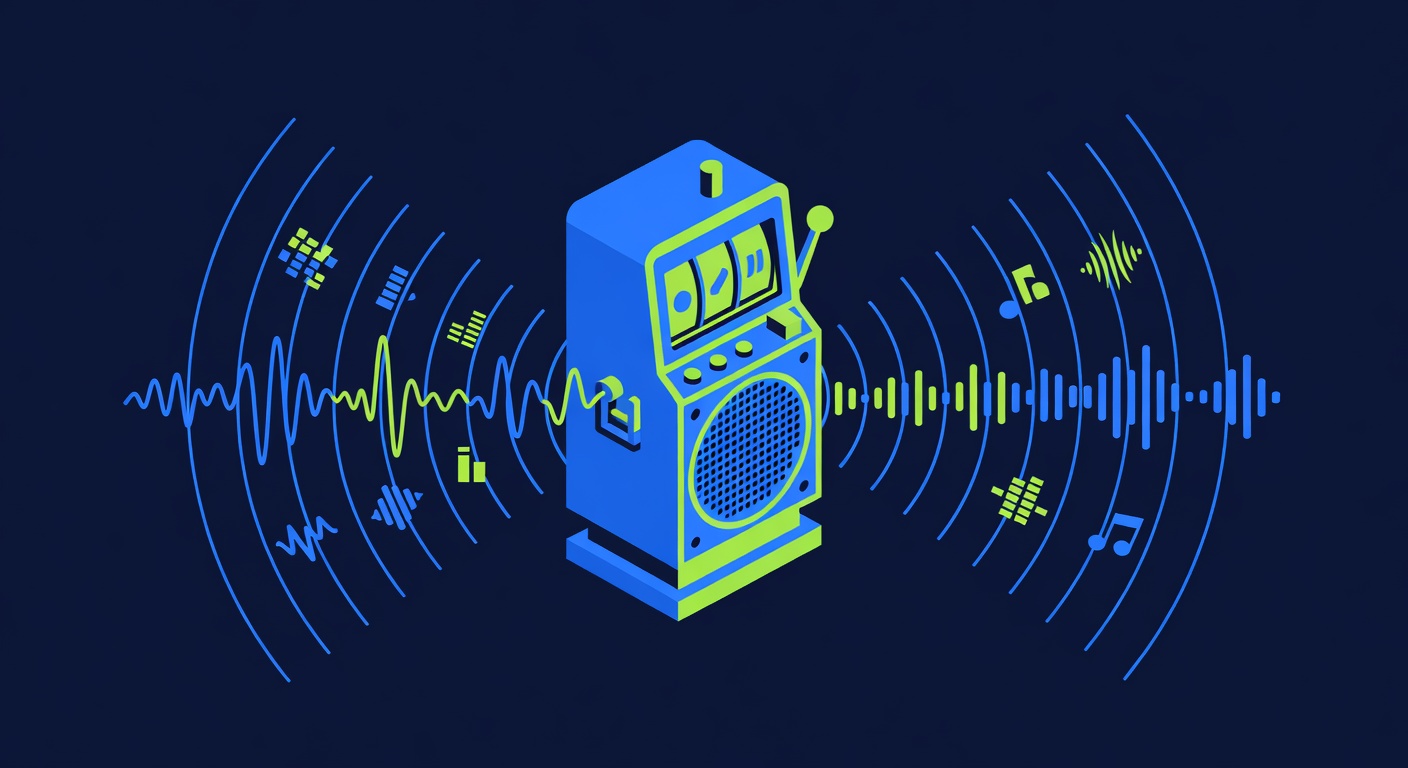
The Silence That Doesn't Exist
Walk into any slot floor and you notice two things immediately. Everything is loud. And everything is designed to feel lucky.
There are no quiet machines anymore. The mechanical reels that used to clunk and spin have been replaced by digital displays that make sounds that mechanical reels never could. The sounds are tuned to frequencies that catch your ear. Layers of sound occur simultaneously: the base spin tone, the reel landing sound, the win jingle, the crowd noise in the background.
Each sound serves a function. The spin sound tells your brain something is happening. The reel landing sound provides anticipation and release. The win jingle triggers dopamine.
The Elements of Slot Audio
- Base game soundtrack: ambient music that plays softly while you wait between spins
- Spin tones: the sound of the digital reels rotating
- Reel landing sounds: distinct tones as each reel stops
- Win fanfare: immediate audio feedback when you land a winning combination
- Feature activation sounds: heightened audio cues that tell you a bonus round has begun
- Ambient casino sounds: background crowd noise, other machines, distant music
- Ambient resonance: low-frequency tones that make the machine feel physically present
The design is science. Sound designers study how the human brain responds to these frequencies. A low frequency (thirty to sixty hertz) makes you feel the machine physically. It is subtranscribed yet physical. A sound at six hundred to one thousand hertz feels urgent and immediate. A sound at five thousand hertz feels joyful and rewarding.
Slot machine designers construct win sounds using all these ranges stacked on top of each other. You hear the bass boom. You hear the midrange excitement. You hear the high treble joy. All at once. Your brain processes it as: I won. This is good.
Why Sound Is More Persuasive Than Visuals
Your visual system is skeptical. It was built to detect actual danger: predators, falling objects, loss of balance. A cartoon animation on a screen can win your attention, but it wins it against competition. You can ignore it.
Your auditory system is different. Sound is processed deeper in the brain. It reaches the limbic system, the emotion center, without passing through the rational gatekeeper first. A sound can make you feel alert, happy, or afraid before you consciously register it.
Casino designers know this. They use sound not because it looks good but because it bypasses your conscious objections. The win sound is a direct line to reward processing. You spin. You hear the sound. Before your rational mind has finished the phrase "this is probably a loss," your emotional brain has already released dopamine.
It is elegant manipulation.
The Myth of the "Hot" Machine
One of the durable myths of the slot floor is that a machine that sounds more active is more likely to pay out. This is not how slots work. The random number generator operates independently of the sound design. The sounds are purely aesthetic and psychological.
But the myth persists because of the sounds themselves. A machine that makes constant noise, with frequent small wins accompanied by jingles, sounds like it is paying out more than a quieter machine that delivers the same mathematical payout percentage.
Sound design exploits this perceptual bias. You will naturally gravitate toward the louder machine. The louder machine will seem to be paying out more. The louder machine will feel luckier. None of this is true. The payout percentages are identical. The sounds are just better.
The Modern Addition: Loss Disguise
One of the most insidious elements of modern slot design is the near-miss sound. You spin three reels. Two of them land on seven. The third lands on six. You have lost the spin.
But the machine plays a sound that resembles a win sound. Not quite. Just close enough. Your brain registers: almost won. That feels like progress. That feels like the machine is warming up. That makes you want to spin again.
This is called a "loss disguised as a win." The mathematics favor the house. The sound design makes you forget that.
The Ethical Questions Nobody Asks
Sound designers for slots are skilled professionals. They have studied audio engineering, psychology, and the brain. They know exactly what they are doing. They are not accidentally creating addictive audio experiences. They are deliberately designing them.
The question is not whether this works. It works. The question is: should it be legal. Should manufacturers be permitted to engineer sounds specifically designed to bypass rational decision-making in order to maximize time on device and money wagered.
The answer in most jurisdictions is currently: yes. This is permitted. In fact, this is encouraged. The better the sound design, the longer players stay. The longer players stay, the more money the casino makes.
The few jurisdictions that have restricted certain audio design practices have faced resistance from the industry and litigation. It is easier to permit it than to ban it.
You are not imagining that slot sounds are designed to trigger emotions. They absolutely are. The next time you hear a near-miss sound, ask yourself: did that machine almost win, or did the sound designer just trick me into feeling like it did.